Science
Promoting Women’s Health in the United States
One aspect of our scientific pursuits includes promoting women’s health research in the United States. KISH Labs is made up of a growing collective of preventative medicine and biomedical health researchers with a passion for health equity, diversity and inclusion.
Recent cuts to NIH grant funding under the current federal administration (2025) have limited research scientists’ capacity to pursue health research in the U.S…

Including high-risk groups such as women of reproductive age: 18-44 years old. Women aged 18-44 in the U.S. are reporting an unusual, all-time high for both physical distress and mental distress symptoms, in addition to indicating persistent and unalleviated symptoms when seeking care in primary care settings. These issues are not confined to “women” as frequently suggested by U.S. news media; and instead, indicate the integrity of the U.S. economy and the resiience/overall capacity of the U.S. population moving forward.

Women’s health issues are critically important for the entire U.S. population; as opposed to men’s health who do not carry the burden of pregnancy, child-birth, child-rearing and the bulk of child care throughout development and into adulthood. Women are additionally expected to take on the burden of the household chores, in spite of working a full-time job (equivalent to her male partner-counterpart in the household) (As indicated by data from the American Time Series Survey & Analysis and Household Pulse Survey (HPS)).
These extensive additional chores belabor womens health to a degree that may be inducing both physical and cognitive deficits long-term. Long-term health deficits among women appear to occur alongside chronic disease rates in the U.S.; suggesting that this research on womens’ overburdening and co-occurance of mental and physical symptoms (being conducted by KISH Labs, 2025) may be driving the development of chronic disease across the U.S.
KISH Labs is at the forefront of investigating this emerging & critical public health issue among the working population of U.S. Women aged 18-44.
Our mission is to improve women’s medical and health interventions within the United States by supporting efforts to collect womens health information and providing tools to promote awareness of the growing public health issue among *U.S. stakeholders.

*U.S. stakeholders include the NIH, Women at-risk of SSD, PCP’s, CDC/HHS Surveys providing U.S. population health databases- Ambulatory Health Survey, Household Pulse Survey, American Time Use Survey
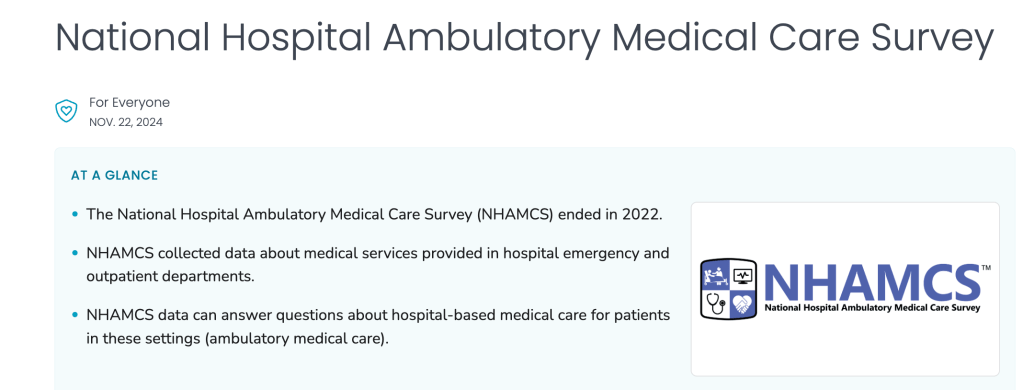
The U.S. Ambulatory Health Survey on Primary Care Providers (PCP’s) indicated that Pain was the main reason for patient visits in less than 0.1% of reported cases (2022), indicating massive underreporting of womens pain.
This suggested a huge disparity in pain reporting among women. Following this finding, the NHAMCS was shut down and 2022 became the final year that this federal survey on PCPs was available to preventative interventionists and public health practitioners in the U.S.
— Cyanna Kishiyama
Ambulatory health survey, 2022
KISH Labs Aims to Improve U.S. Women’s Health
Promoting Awareness for Somatic Symptom Disorder (SSD) in the United States: DSM-5 Diagnostic Criteria
Women diagnosed with SSD at 10x the rate; Pain Symptoms most frequently reported; DSM-5 requirements for diagnosis, high-risk occupations among women.
Improving Prevention Efforts with Recommendations for Federal Public Health Surveys & Highlighting Poor Efficacy Among Existing Medical Interventions
The pathophysiology of SSD remains unknown. Limited funding for diseases considered “womens” are frequently ignored by federal granting agencies such as the NIH. These severely under-resourced diseases impacting millions of women in the U.S. generally go unrecognized by primary care providers and often lead to reports of medical gaslighting, medical sexism, or excess healthcare expenditures seeking new providers to alleviate symptons.
Developing Tools: Mapping Women At-Risk for SSD in the U.S. 2025 Federal Public Health Data
Use of CDC’s and HHS database providing indicators of chronic disease in the United States were cross-referenced with individual-level reports from U.S. citizens on their health and wellbeing, provided by the Household Pulse Survey (HPS). These data were cross-referenced and strategically placed according to risk factors and evidence-based guidelines to hone the population in most need, and at heightened risk for SSD development.
Most Frequently Reported Physical Pain Symptoms
Hope D.
“Starting my role as a WordPress administrator has been a joy, thanks to its intuitive interface, security, and plugins, making websites a breeze.”
Hope D.
“Starting my role as a WordPress administrator has been a joy, thanks to its intuitive interface, security, and plugins, making websites a breeze.”
Hope D.
“Starting my role as a WordPress administrator has been a joy, thanks to its intuitive interface, security, and plugins, making websites a breeze.”
Hope D.
“Starting my role as a WordPress administrator has been a joy, thanks to its intuitive interface, security, and plugins, making websites a breeze.”

Most Common Co-Occurring Mental Health Disorders, Symptoms
Hope D.
“Starting my role as a WordPress administrator has been a joy, thanks to its intuitive interface, security, and plugins, making websites a breeze.”
Hope D.
“Starting my role as a WordPress administrator has been a joy, thanks to its intuitive interface, security, and plugins, making websites a breeze.”
Hope D.
“Starting my role as a WordPress administrator has been a joy, thanks to its intuitive interface, security, and plugins, making websites a breeze.”
Hope D.
“Starting my role as a WordPress administrator has been a joy, thanks to its intuitive interface, security, and plugins, making websites a breeze.”
Do you have some or all of these symptoms? If you experience this or similar health issues, please share your experience below.

“Our goal is to expand upon womens health evidence to support better treatment and medical interventions throughout the U.S.”
-Cyanna Kishiyama, Founder @KishLabs


Subscribe
Enter your email below to receive updates.
 KISH Labs